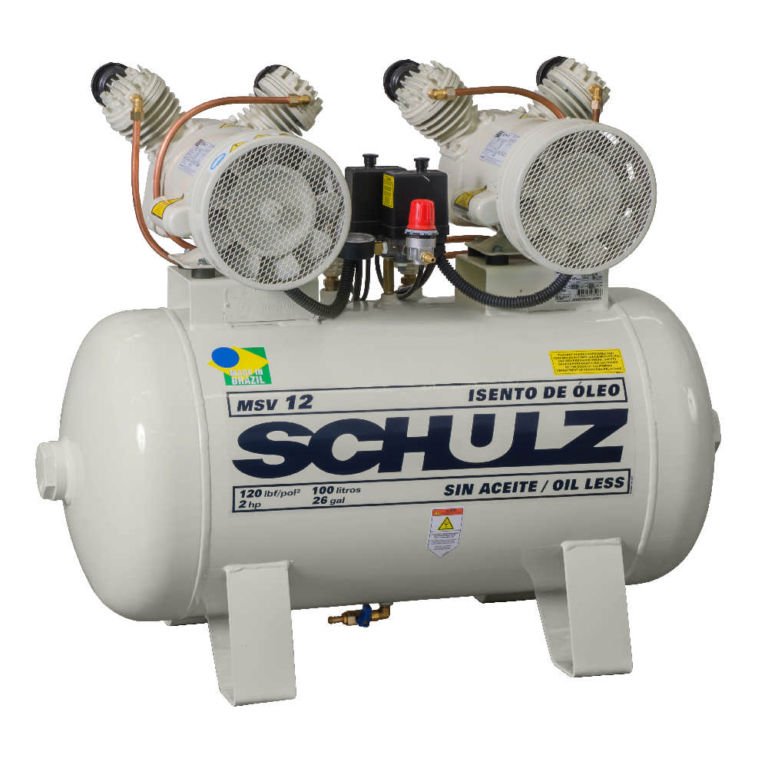
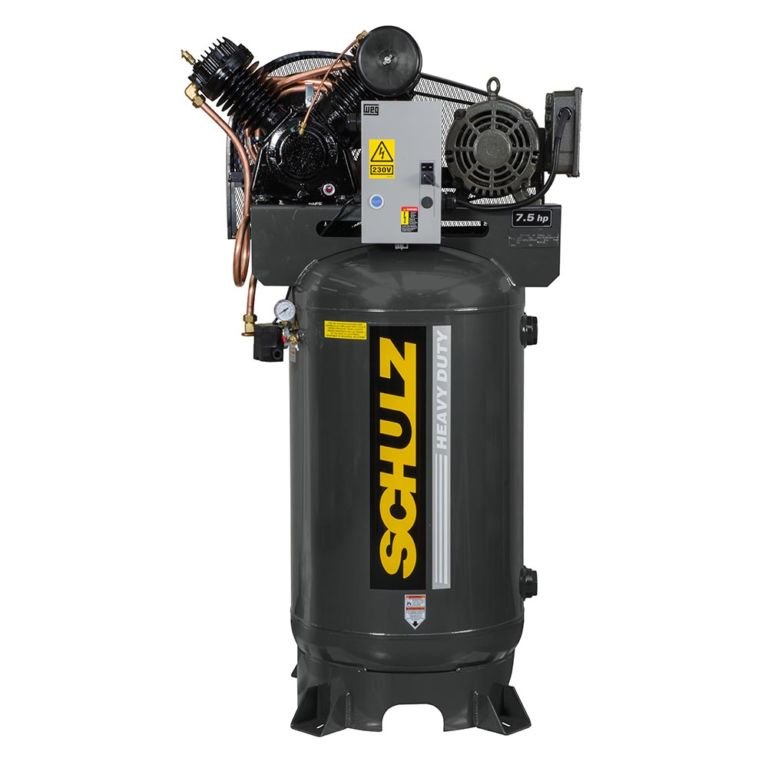
A great compressor connected to bad piping still gives you weak, wet air at the tools. Undersized lines cause pressure drop, poor layouts trap water, and the wrong pipe material can be dangerous. This guide explains how to plan compressed air lines for a garage, auto shop or small plant, from the compressor room to the last air drop.
The layout in order
A typical shop air system runs in this order:
- Compressor with its tank
- Refrigerated air dryer, sized at or above the compressor’s CFM
- Filters: a particulate filter, then a coalescing filter for oil mist
- Main line (header) running around the shop
- Drops to each workstation, each with a drain leg, shut-off valve, and a filter-regulator where needed
Our articles on choosing a refrigerated dryer and filter-regulator-lubricator systems cover the treatment side.
Choose the right pipe material
| Material | Pros | Cons |
|---|---|---|
| Aluminum modular systems | Lightweight, smooth inside, no rust, easy to change later | Higher material cost |
| Copper (type L or K) | Clean, corrosion-resistant, long-lasting | Needs soldering or press fittings; price varies |
| Black iron (steel) | Strong and widely available | Heavy, threaded joints leak over time, rusts inside and sends scale to tools |
| PVC | None for compressed air | Do not use. PVC can shatter under pressure and throw sharp fragments |
Use only piping rated for compressed air at your system’s maximum pressure. Many Schulz two-stage compressors reach 175 PSI.
Size the lines to avoid pressure drop
Air loses pressure as it flows through pipe, fittings, hoses and couplers. Too small a line means your 175 PSI tank delivers weak air at the tool. Two things decide the pipe size:
- Flow (CFM): the compressor’s output, or your peak demand.
- Length: the total length of the main line, plus extra for each elbow and tee.
Use your piping manufacturer’s sizing chart for your CFM and run length. As a rule of thumb, when in doubt go one size larger: bigger pipe costs a little more once but saves energy every day. Keep the total pressure drop from the compressor to the farthest drop small, ideally just a few PSI.
Loop vs. straight line
A loop (ring) main lets air reach each drop from two directions, which keeps pressure more even across the shop. A straight dead-end line is simpler and fine for a small garage, but the drops farthest from the compressor will see the lowest pressure. For shops with several bays, a loop is worth it.
Keep water out of your tools
- Slope the main line slightly (about 1 inch per 10 feet) in the direction of airflow, toward a drain.
- Take drops off the top of the main line with a “gooseneck” so condensate stays in the main.
- Add a drain leg at the bottom of each drop, below the outlet, with a valve or automatic drain.
- Install a dryer close to the compressor so the air is dry before it enters the main.
- Drain the compressor tank daily. See air tank safety and maintenance tips.
Problems like rust, sludge and water at the tools are covered in common air line contamination problems.
Add storage where demand spikes
If one area uses big bursts of air, like a blast cabinet or a tire machine, a secondary air tank near that area smooths out the demand and keeps pressure steady for everyone else. Learn more in why air storage tanks improve performance.
Hoses, couplers and the last few feet
Most pressure loss happens at the end of the line. Small quick couplers and long, narrow hoses can choke a high-CFM tool. Use couplers and hoses rated for the tool’s air use, keep hoses as short as practical, and install a regulator at each drop set to the pressure your tool actually needs (often 90 PSI).
Safety checklist
- Never use PVC or other non-rated plastic pipe.
- Install a shut-off valve at the compressor and at each drop.
- Support pipe properly so joints aren’t under stress.
- Release pressure before working on any part of the system.
- Never adjust or plug the compressor’s safety valve.
Frequently asked questions
Can I use PVC pipe for compressed air?
No. PVC isn’t designed for compressed air and can shatter, sending sharp pieces through the shop. Use aluminum, copper or steel piping rated for your pressure.
What size air line do I need?
It depends on your CFM and the length of the run. Check the pipe manufacturer’s sizing chart, and when in doubt, choose the next size up.
Why is there water coming out of my air tools?
Usually because there’s no dryer, the tank isn’t drained, or drops come off the bottom of the main line. A refrigerated dryer and proper drop design fix most cases.
Should the air dryer go before or after the tank?
In most small and mid-size shops the dryer goes after the compressor’s tank, so the tank absorbs pulses and lets the air cool first. Follow the dryer manufacturer’s instructions for your setup.
Planning a new shop or upgrading your air system? We can help you match the compressor, dryer and filters to your layout. Call (770) 734-6383 or email info@schulzproducts.com.