Compressor Pump Troubleshooting Guide is a common question for buyers who want better performance, longer equipment life, and fewer surprises after installation. The right answer depends on duty cycle, pressure, airflow demand, electrical service, and the way your system is used every day. This guide breaks the subject into simple steps so customers can choose with more confidence.
Start with the application
Before comparing models, write down what the system actually needs to do. A light-duty repair shop, a paint booth, a CNC line, and a packaging plant all place very different demands on compressed air equipment. Looking at tools, run time, pressure drop, and growth plans first prevents overspending on the wrong machine or undersizing a system that will struggle from day one.
Focus on the numbers that matter
For most buyers, the critical numbers are CFM, PSI, duty cycle, phase, voltage, and storage. Matching those values to the application is more important than chasing a headline horsepower number alone. A system that is correctly sized usually runs cooler, cycles less aggressively, wastes less power, and gives more stable performance throughout the workday.
- Use real tool demand, not guesses.
- Add a safety margin for future growth.
- Check electrical requirements before ordering.
- Confirm whether clean, dry, or oil-free air is required.
Common buying mistakes
The most common mistakes are undersizing the system, ignoring moisture control, overlooking voltage requirements, and choosing parts that do not match the original equipment. Buyers also run into trouble when they compare only price and not construction quality, support, replacement parts availability, or expected run hours. A lower upfront price can become more expensive if the machine is not built for the job.
How this applies to Compressor Pumps
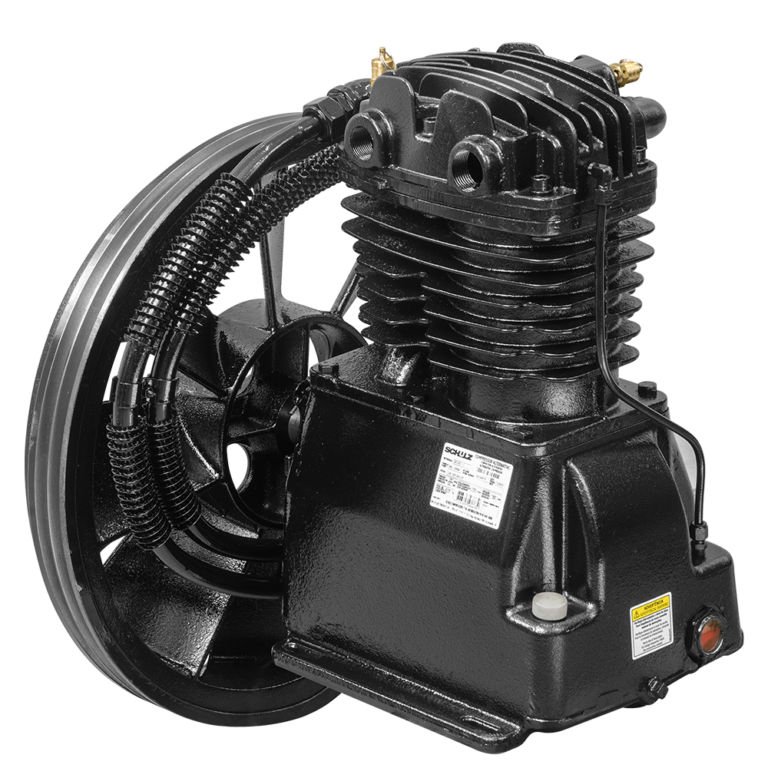
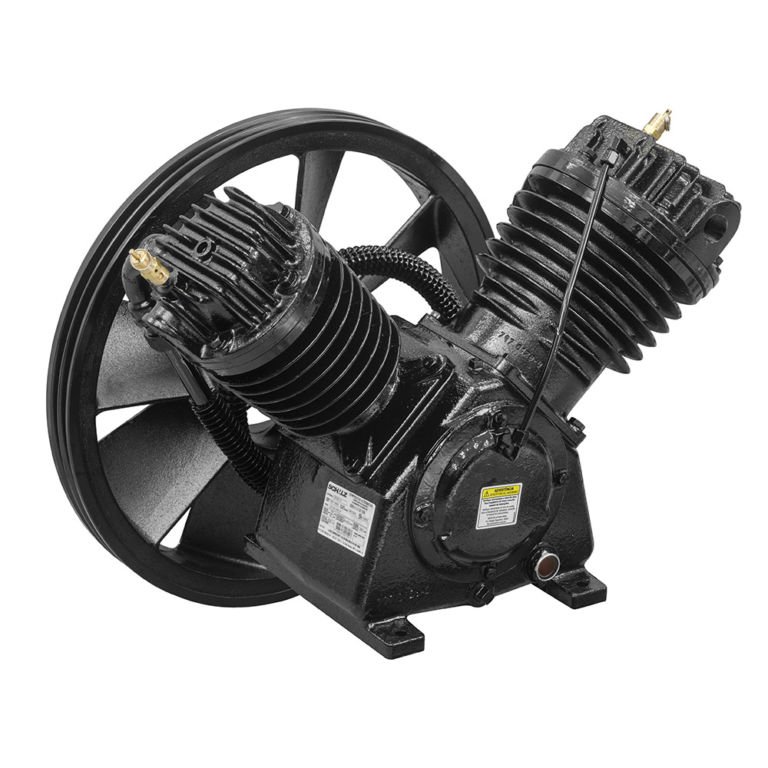
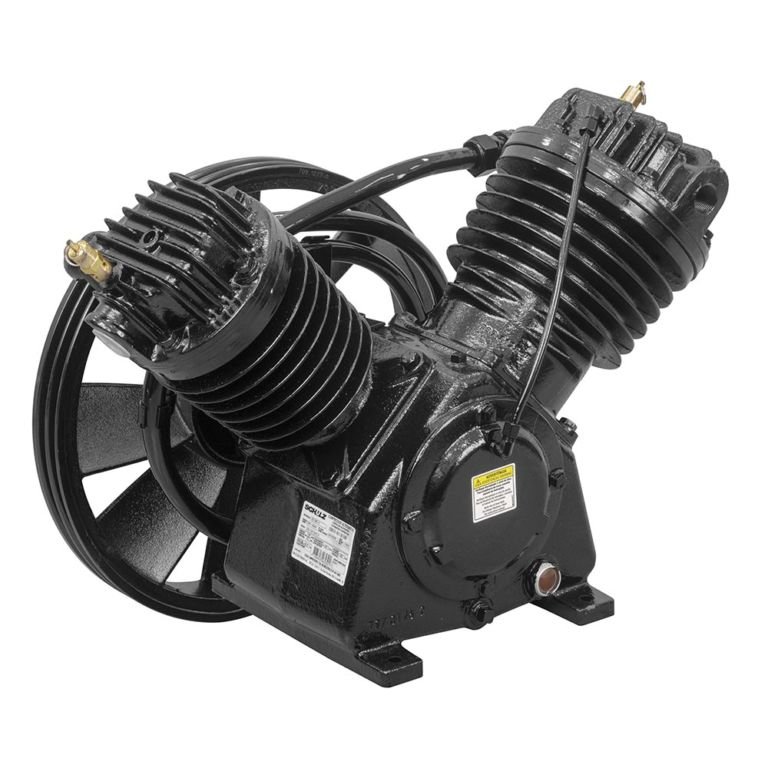
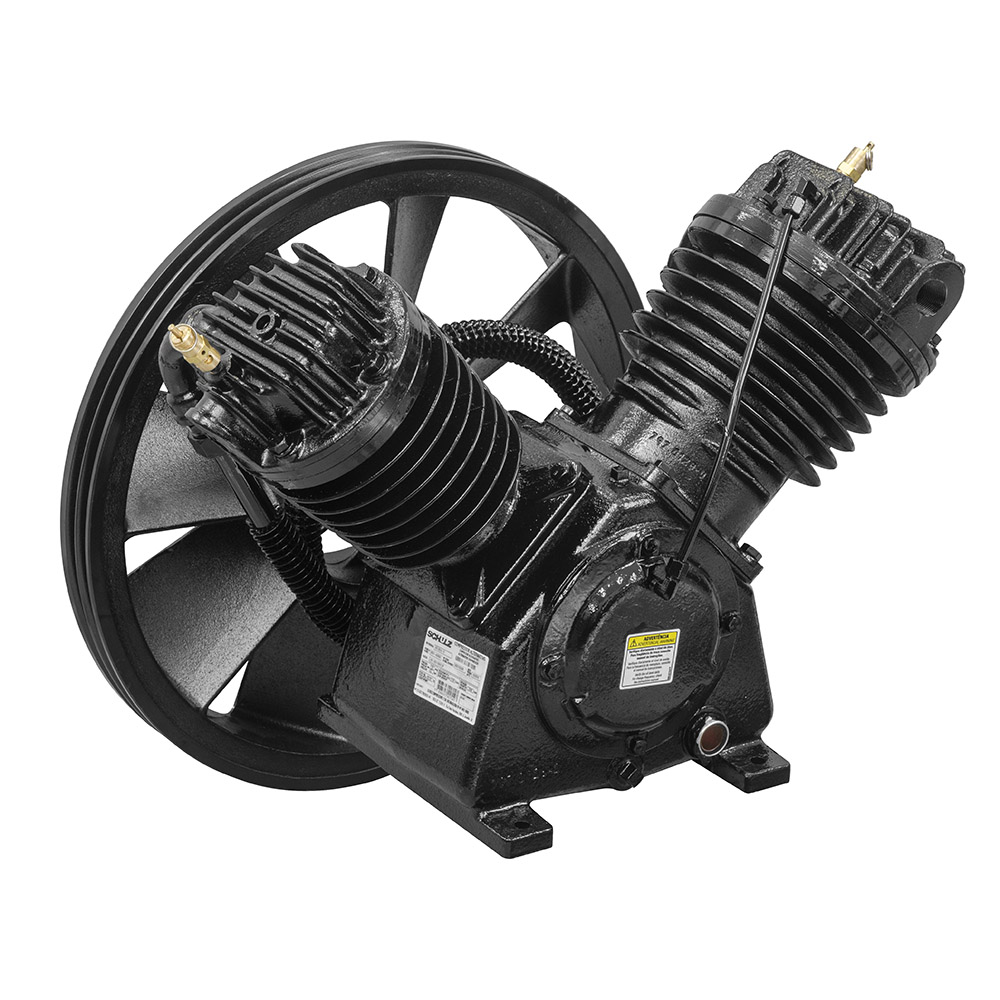
When shopping in the Compressor Pumps category, it helps to compare build quality, serviceability, replacement part support, and how easy the equipment is to match with the rest of the system. That means looking at tanks, motors, starters, air treatment, and maintenance items as one connected setup instead of as separate purchases.
Final recommendation
A strong buying decision comes from combining application data with product quality and long-term serviceability. If you know your pressure, airflow, electrical service, and work pattern, you can narrow the field quickly and avoid expensive mistakes. For buyers who want a faster path, it helps to compare products in the matching category and then request guidance based on the exact use case.
Shop Compressor Pumps or contact Schulz Products for help choosing the right setup.